

Introduction
Hypnotherapy is a therapeutic technique that utilizes guided relaxation and focused attention to achieve a heightened state of awareness, often referred to as a trance. In this relaxed state, individuals can access their subconscious mind to address various issues such as anxiety, stress, phobias, and even chronic pain. As the practice gains popularity, many people are considering a career in hypnotherapy. However, one question that often arises is: how much does a hypnotherapist earn?
Understanding the earnings of hypnotherapists is essential not only for those contemplating a career in this field but also for potential clients seeking to understand the financial landscape of this service. In this article, we will explore various factors that influence hypnotherapist earnings, average salary ranges, and strategies to enhance income in this rewarding profession.
Factors Influencing Hypnotherapist Earnings
Location and Demand
The geographic location of a hypnotherapist plays a significant role in determining their earnings. Urban areas with higher population densities typically have a greater demand for hypnotherapy services, leading to increased client bases and, consequently, higher earning potential. For example, a hypnotherapist in New York City or San Francisco may charge significantly more per session compared to those practicing in rural areas where demand is lower.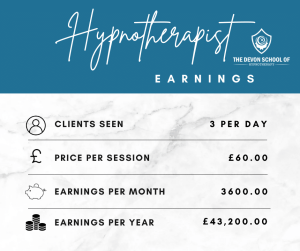
Local competition can also influence earnings. In regions with a saturated market, hypnotherapists may need to adjust their pricing strategy to attract clients, potentially lowering their profit margins. Conversely, in areas with limited practitioners, professionals can demand higher fees due to less competition. Understanding local market trends and demand can be crucial for establishing a successful hypnotherapy practice.
Experience and Qualifications
As with many professions, experience and qualifications greatly impact earnings. Entry-level hypnotherapists, often fresh from certification programs, may start with lower fees as they build their clientele and gain experience. A newly certified hypnotherapist might earn anywhere from £30 to £50 per session, depending on location and demand.
Mid-career hypnotherapists with a few years of practice under their belt can significantly increase their earnings. These practitioners typically charge £75 to £150 per session, as they have developed a solid client base and garnered a reputation in their community. Additionally, those with advanced certifications or specialized training in areas such as clinical hypnotherapy may also command higher rates, reflecting their expertise and the value they bring to clients.
Specialisations within Hypnotherapy
Hypnotherapy is a broad field with various specialisations that can influence earning potential. Practitioners may choose to focus on niche areas such as weight loss, smoking cessation, stress management, or even performance enhancement for athletes. Specialising allows hypnotherapists to market themselves more effectively and to charge higher fees based on the unique services they offer.
For example, a hypnotherapist who specializes in helping clients with anxiety disorders may find a steady stream of referrals from therapists and healthcare providers, leading to increased income. Furthermore, those who integrate additional modalities into their practice, such as coaching or nutritional advice, can create multiple income streams and enhance their overall earnings.
Average Earnings of Hypnotherapists
Entry-Level Earnings
For those just starting their careers in hypnotherapy, earnings can be relatively modest. Entry-level hypnotherapists may expect to earn approximately $30 to $50 per session. Given that a typical session lasts one hour, this translates to an hourly wage that may not initially reflect the time spent on client intake, marketing efforts, and administrative tasks.
In the early stages, building a client base is critical. Many hypnotherapists supplement their income by offering packages of sessions or group sessions at a reduced rate, which can help attract new clients and provide a more stable income flow. Over time, as they gain more experience and establish themselves, these practitioners can increase their fees.
Mid-Career Earnings
As hypnotherapists gain experience and build a reputable client base, their earnings can increase significantly. Mid-career professionals typically charge between $75 and $150 per session. With an average of 15 clients per week, this can result in an annual income ranging from $50,000 to $120,000, depending on the number of sessions conducted and any additional services offered.
Many mid-career hypnotherapists also begin to diversify their income streams by offering workshops, webinars, and online courses related to hypnotherapy. These supplementary offerings can help stabilize income and provide financial security while expanding their reach beyond one-on-one sessions.
Experienced Hypnotherapist Earnings
Experienced hypnotherapists with a well-established practice may earn upwards of $150 per session, with some charging up to $300, particularly in high-demand urban areas or for specialized services. Those at this level can see annual incomes ranging from $100,000 to over $200,000, depending on their client load, niche, and reputation in the field.
Moreover, experienced hypnotherapists often engage in public speaking, writing books, and offering training programs to other practitioners, which can further enhance their income. Their established presence allows them to leverage their knowledge and expertise, creating additional opportunities for financial growth.
Ways to Increase Hypnotherapy Earnings
Building a Strong Client Base
One of the most effective ways to enhance earnings as a hypnotherapist is by building a strong and loyal client base. This can be achieved through effective marketing strategies, such as creating an informative website, engaging with social media platforms, and utilizing search engine optimization (SEO) to attract clients searching for hypnotherapy services in their area.
Networking with other health professionals, such as therapists and medical doctors, can also lead to referrals. Offering introductory sessions or workshops can help potential clients experience the benefits of hypnotherapy firsthand, encouraging them to book additional sessions. Consistent follow-ups and maintaining a good relationship with past clients can boost repeat business and referrals, thereby increasing earnings.
Offering Additional Services
Diversifying the services offered is another strategic way to boost income. Many hypnotherapists provide complementary services such as life coaching, guided meditations, or nutritional counselling. These additional offerings not only attract a broader client base but also allow practitioners to charge more for comprehensive packages.
Furthermore, creating online courses or downloadable content related to hypnotherapy can be an effective way to generate passive income. This approach enables hypnotherapists to reach clients beyond their local area and provides an opportunity for clients to engage with their services outside of traditional sessions, enhancing overall earnings.
Continuing Education and Specialisation
Investing in continuing education is vital for hypnotherapists looking to increase their earning potential. By attending workshops, conferences, and additional certification programs, hypnotherapists can broaden their skill set and stay updated on the latest techniques and research in the field. This knowledge can provide them with a competitive edge and the ability to offer unique services.
Specialising in areas such as trauma recovery, sports performance, or pain management can also elevate a hypnotherapist’s marketability. Clients often seek out practitioners with specific expertise, allowing those with specializations to charge premium rates. Additionally, being recognised as an expert in a niche can lead to opportunities for public speaking and writing, further increasing visibility and income.
Testimonials and Case Studies
Success Stories from Hypnotherapists
Many hypnotherapists have shared inspiring success stories that highlight the transformative power of hypnotherapy. For example, a practitioner may recount a case where a client was able to overcome a long-standing phobia of flying after just a few sessions. These stories not only demonstrate the effectiveness of hypnotherapy but also serve as valuable marketing tools to attract new clients.
In another case, a hypnotherapist specialised in weight loss may share testimonials from clients who achieved their goals through a combination of hypnotherapy and lifestyle changes. Such success stories can elevate a hypnotherapist’s reputation and credibility, ultimately leading to increased client inquiries and higher earnings.
Client Experiences and Outcomes
Client experiences often reflect the effectiveness of hypnotherapy in addressing various issues. Clients have reported significant improvements in anxiety levels, sleep quality, and even chronic pain management. Documenting these outcomes can serve as powerful testimonials that resonate with potential clients who may be hesitant to try hypnotherapy.
Creating a dedicated section on a website for testimonials and success stories can be an effective way to showcase positive client experiences. Additionally, encouraging clients to leave reviews on platforms such as Google, Yelp, or social media can enhance online visibility and attract new clients seeking similar solutions.
Conclusion
Summary of Key Points
The earnings of hypnotherapists vary widely based on factors such as location, experience, qualifications, and specialization. Entry-level practitioners may earn $30 to $50 per session, while mid-career and experienced professionals can charge $75 to over $300 per session. Building a strong client base, diversifying services, and investing in continued education are essential strategies for enhancing income potential in hypnotherapy.
Encouragement for Aspiring Hypnotherapists
For those considering a career in hypnotherapy, it is crucial to understand that while the initial earnings may be modest, dedication, and strategic efforts can lead to a successful and fulfilling career. With the right education, marketing strategies, and a focus on client relationships, aspiring hypnotherapists can build a practice that not only provides financial stability but also contributes positively to the well-being of their clients.
Frequently Asked Questions (FAQs)
1. What qualifications do I need to become a hypnotherapist?
Most hypnotherapists hold certification from accredited training programs in hypnotherapy. Some may also have backgrounds in psychology, counseling, or healthcare.
2. How long does it take to become a certified hypnotherapist?
Certification programs typically range from a few weeks to several months, depending on the depth of training and the specific program selected.
3. Can hypnotherapy be covered by health insurance?
Coverage for hypnotherapy varies by insurance provider and policy. Some may cover hypnotherapy if it is deemed medically necessary and performed by a licensed professional.
4. What types of issues can hypnotherapy address?
Hypnotherapy is commonly used to help with anxiety, phobias, smoking cessation, weight loss, stress management, and chronic pain, among other issues.
5. How can I find a qualified hypnotherapist?
You can search for qualified hypnotherapists through professional associations, online directories, and by checking credentials and client reviews.